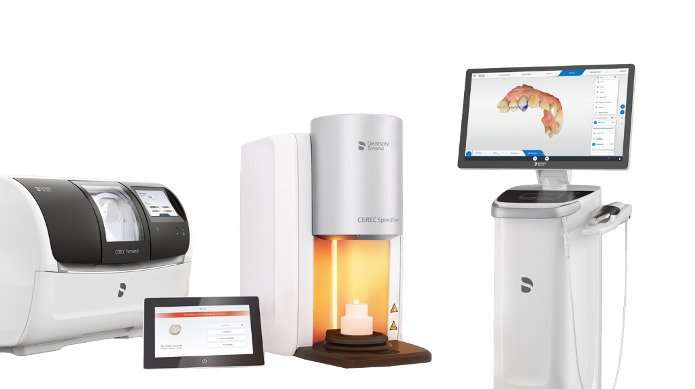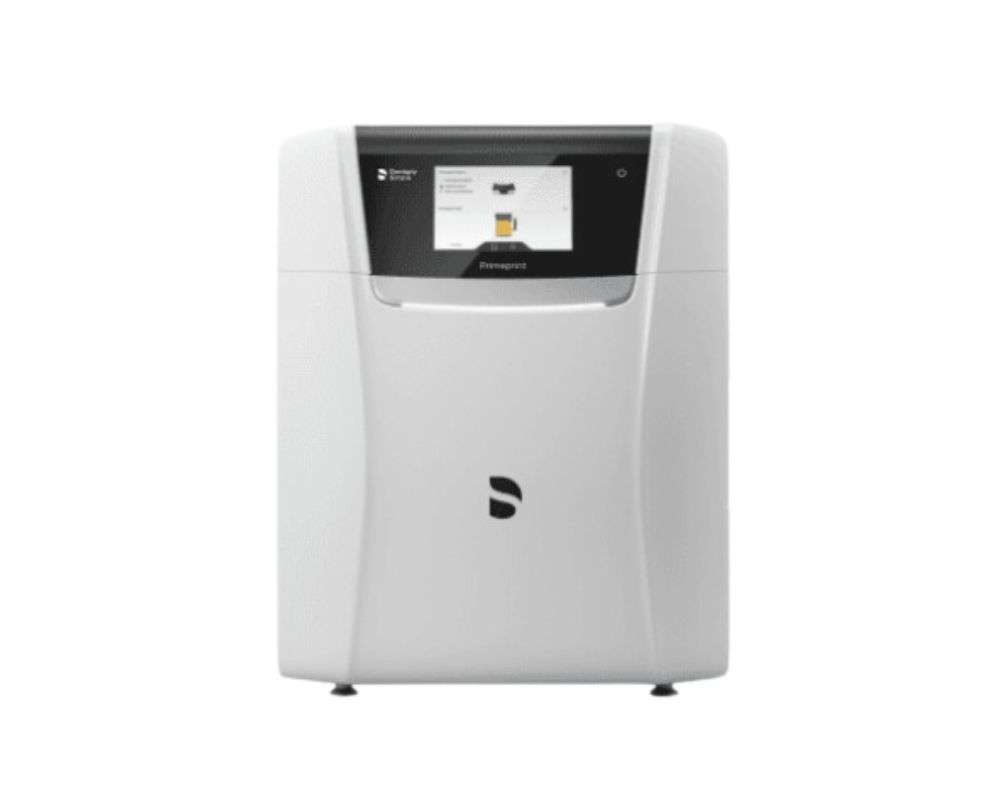
With continuous advancement of science and technology, the application of oral digital technology in dentistry is becoming more extensive — an important tool for diagnosis and treatment. Oral digitalization can improve diagnostic accuracy and treatment effectiveness, and change how dentists and patients communicate.
The rise of digital dentistry
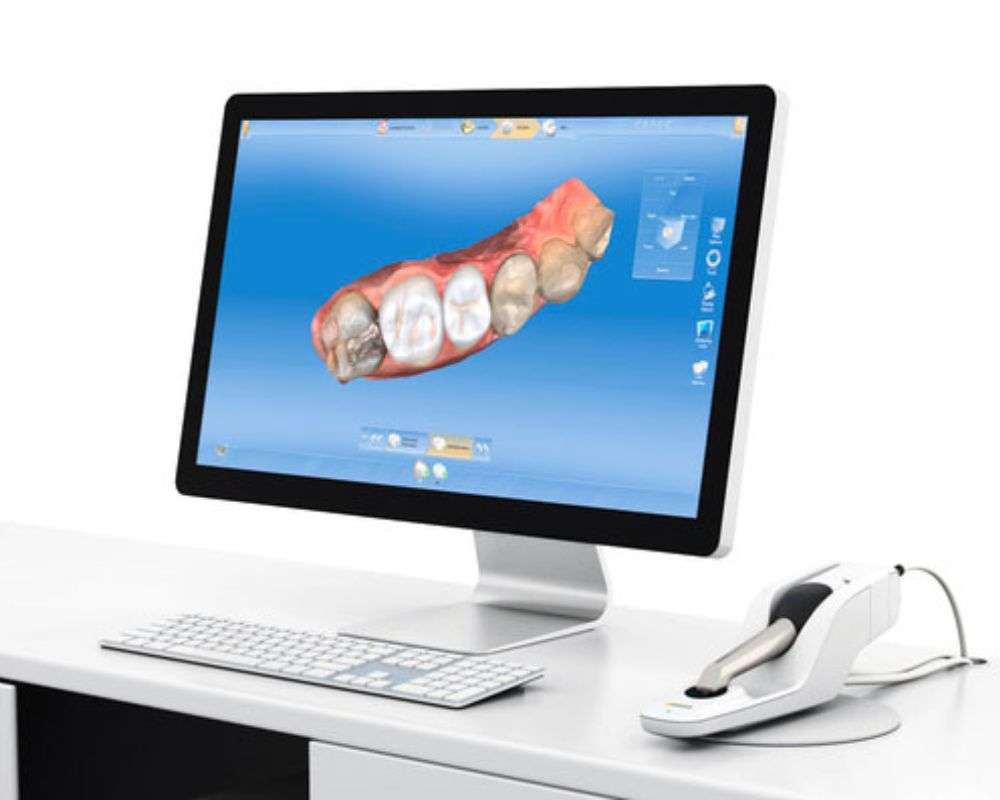
Traditional dental treatment relies on the doctor's experience and manual operation, with inherent subjectivity and limitations. Oral digital technology — through digital scanning, three-dimensional modeling and computer-aided design — can achieve accurate measurement and reconstruction of teeth and oral structures, improving accuracy and efficiency.
Oral digital technology can also help dentists perform remote diagnosis and treatment. Through remote scanning and image transmission, patients can receive remote diagnosis and guidance from doctors in different locations — enjoying professional dental services without visiting in person.
Changing the way dentistry is treated
Through oral digital scanning and 3D modeling, doctors understand the patient's oral structure and develop more scientific treatment plans. Digital tools help perform precise implant surgery, tooth restoration and orthodontic treatment — improving success rate and effect.
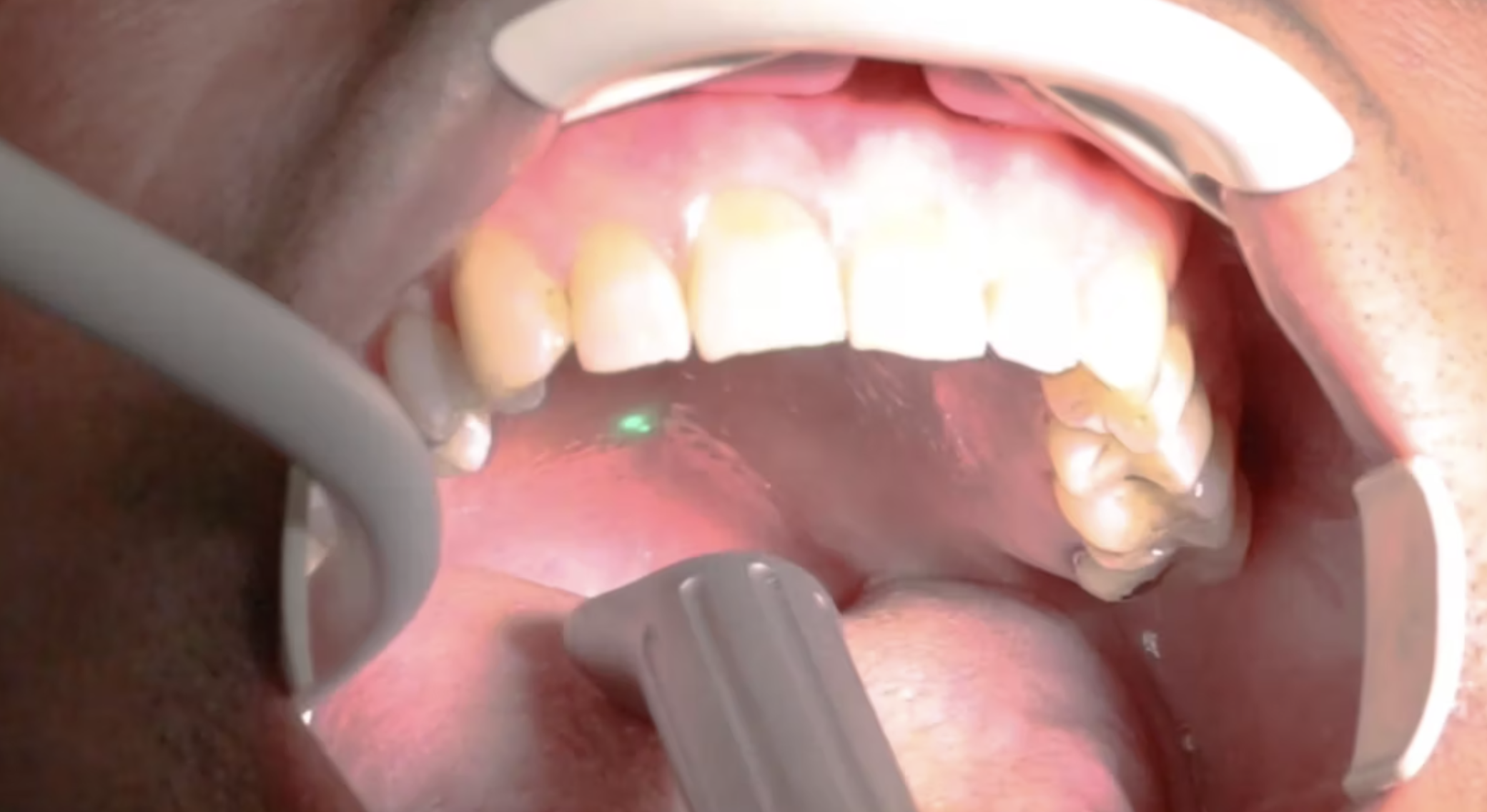
Traditional dental treatment often requires patients to take multiple impressions and follow-up visits — cumbersome and uncomfortable. Digital technology enables non-contact scanning and measurement, avoiding inconvenience and errors of traditional impressions.
Future trend outlook
Digital technology helps doctors and researchers conduct deeper research on oral diseases. Through digital monitoring and personalized prevention plans, patients can better understand and manage their oral health. The future prospects of oral digitalization are full of expectations — bringing more innovations to the dental field.