In today's era of rapid technological development, 3D printing technology is increasingly becoming the focus of attention in all walks of life. In the medical field — especially in dentistry — the application of 3D printing is leading an innovative change.
New applications of 3D printing
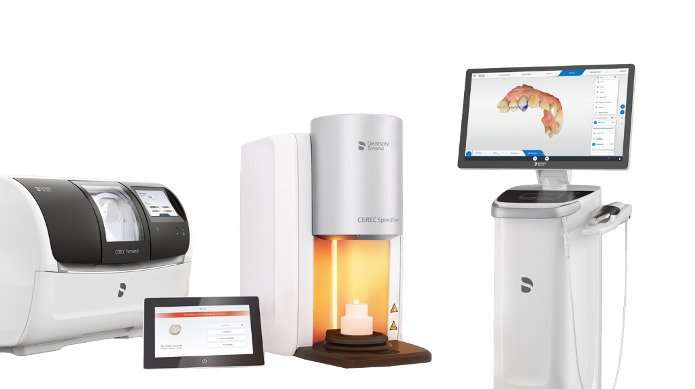
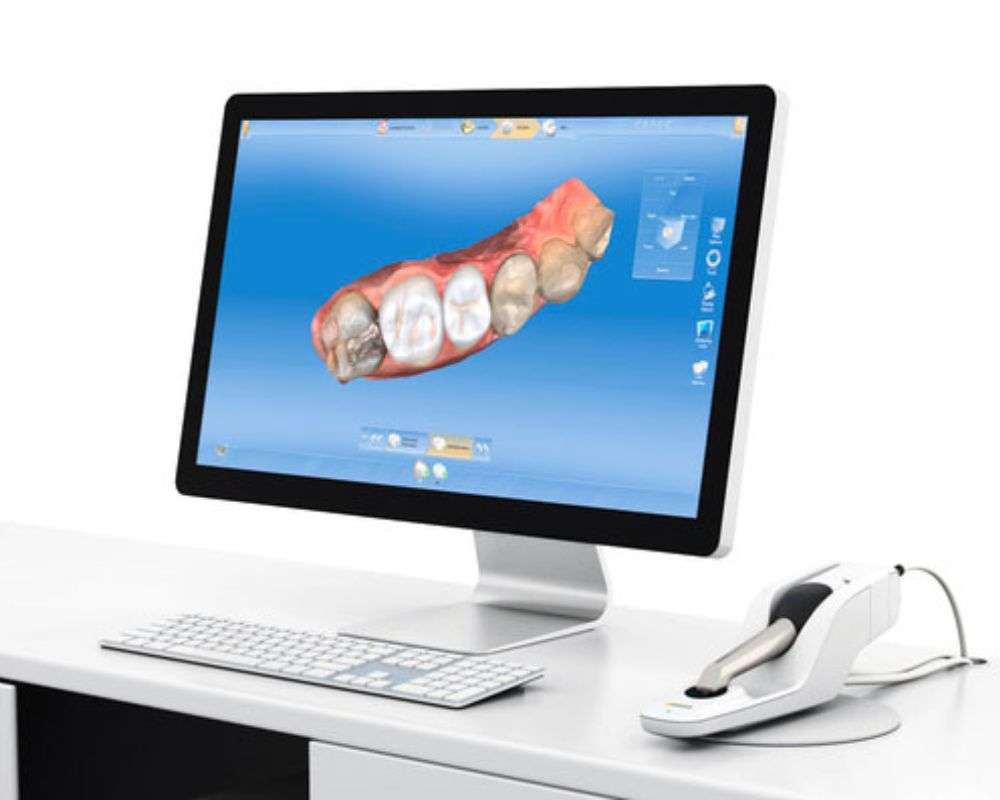
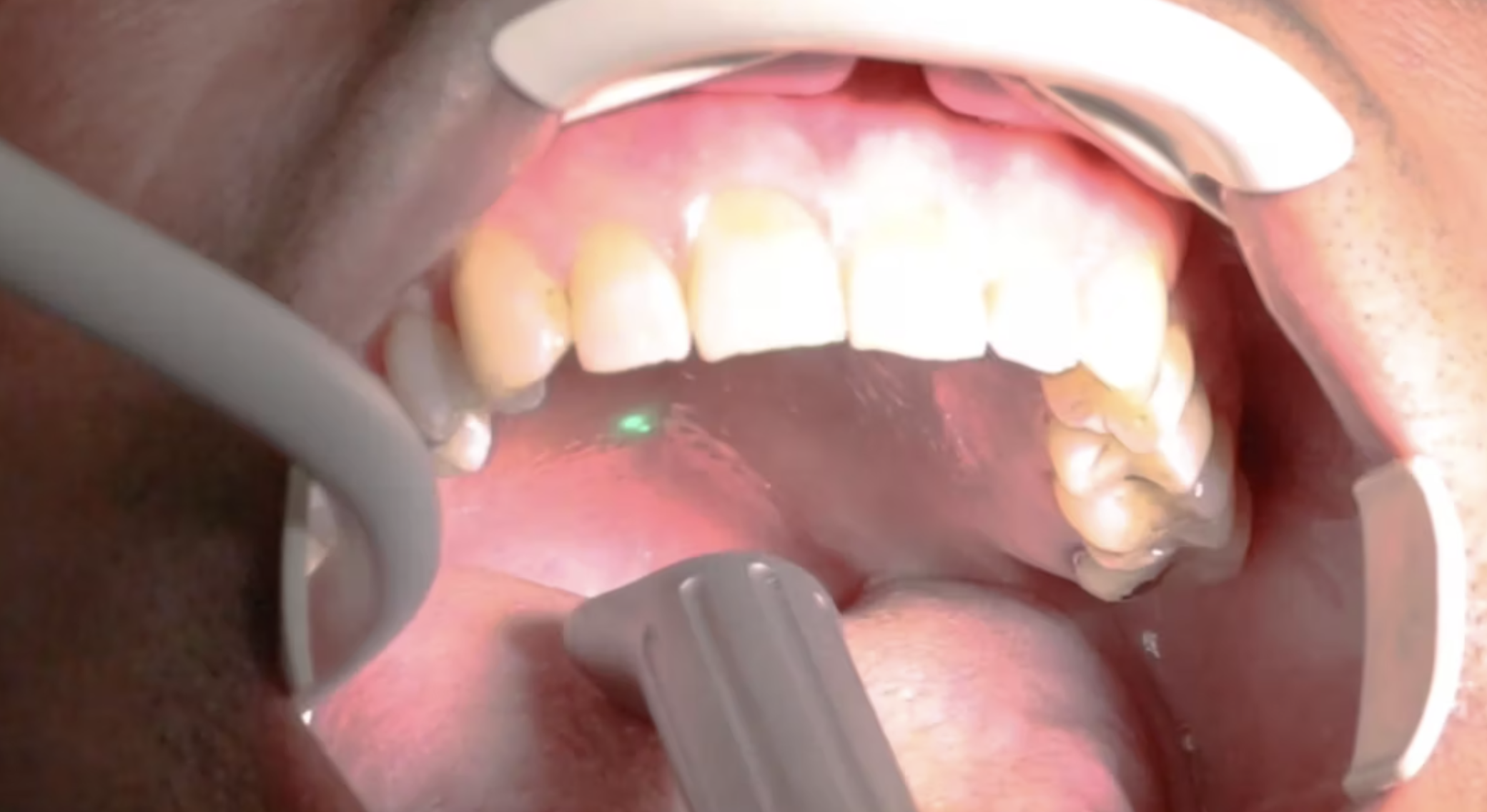
Through 3D printing, doctors can obtain digital models of patients' oral conditions via 3D scanning, then use these digital models to accurately design and produce dental restorations. Customized dental restorations can better adapt to the patient's oral structure, reduce discomfort, and improve treatment effectiveness and durability.
Innovation in dentistry
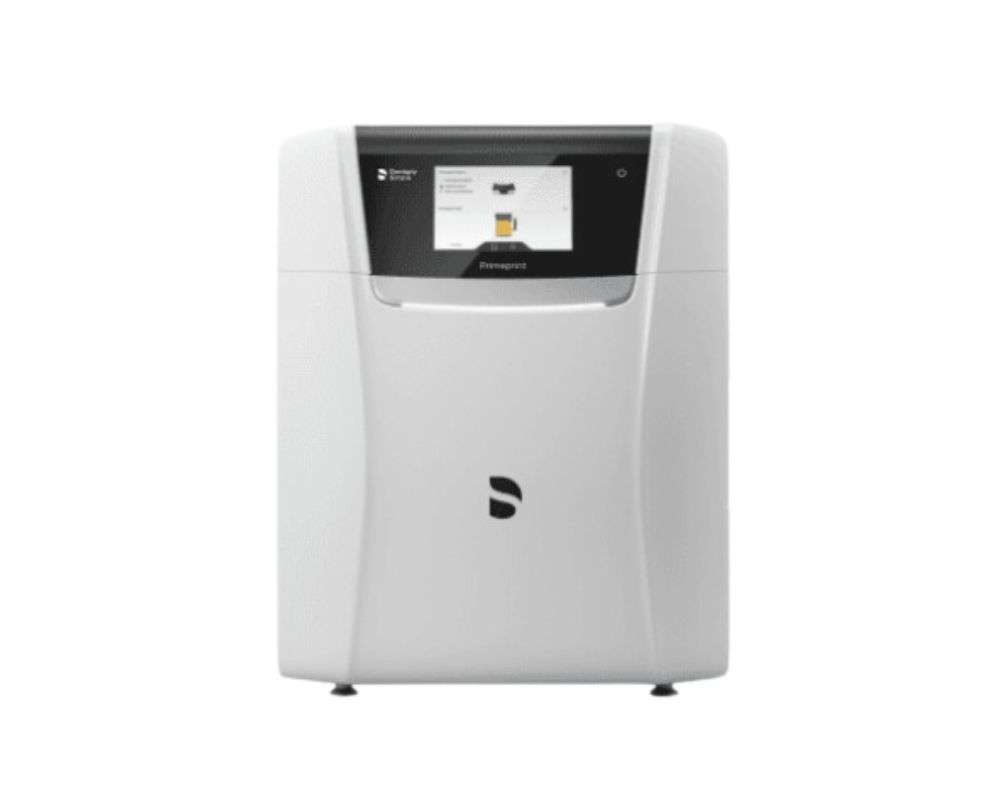
Traditional dental treatment often requires multiple visits — time-consuming and costly. With 3D printing, doctors can complete design and production after a single scan, shortening the treatment cycle and reducing patient inconvenience. Traditional restorations require multiple trials and adjustments; 3D printing lets doctors accurately design and adjust on digital models.
Traditional restorations require manual carving — easily affected by human factors with inherent errors. 3D printing achieves a completely digital production process, reducing interference and improving accuracy and quality.
Redefining oral health
Dental restorations made with 3D printing have better quality, adaptability, patient comfort and confidence. Patients complete treatment in shorter time, with less pain, and receive more natural-looking restorations. This personalized treatment improves both oral health and quality of life.
As 3D printing technology develops, customized dental restorations may become mainstream — bringing patients more perfect and lasting oral health outcomes. The future of 3D printing in dentistry promises more efficient and personalized treatment experiences.