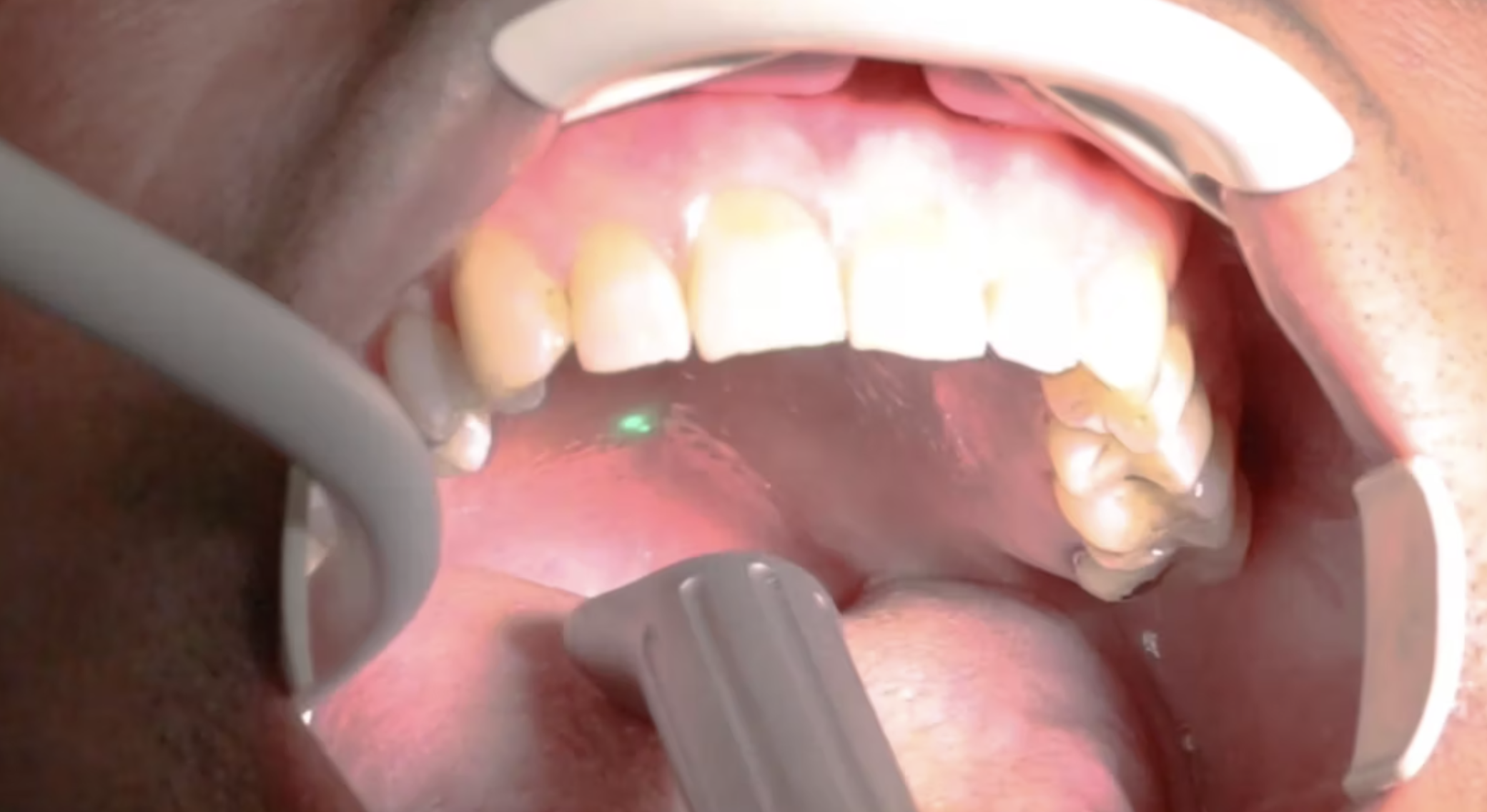
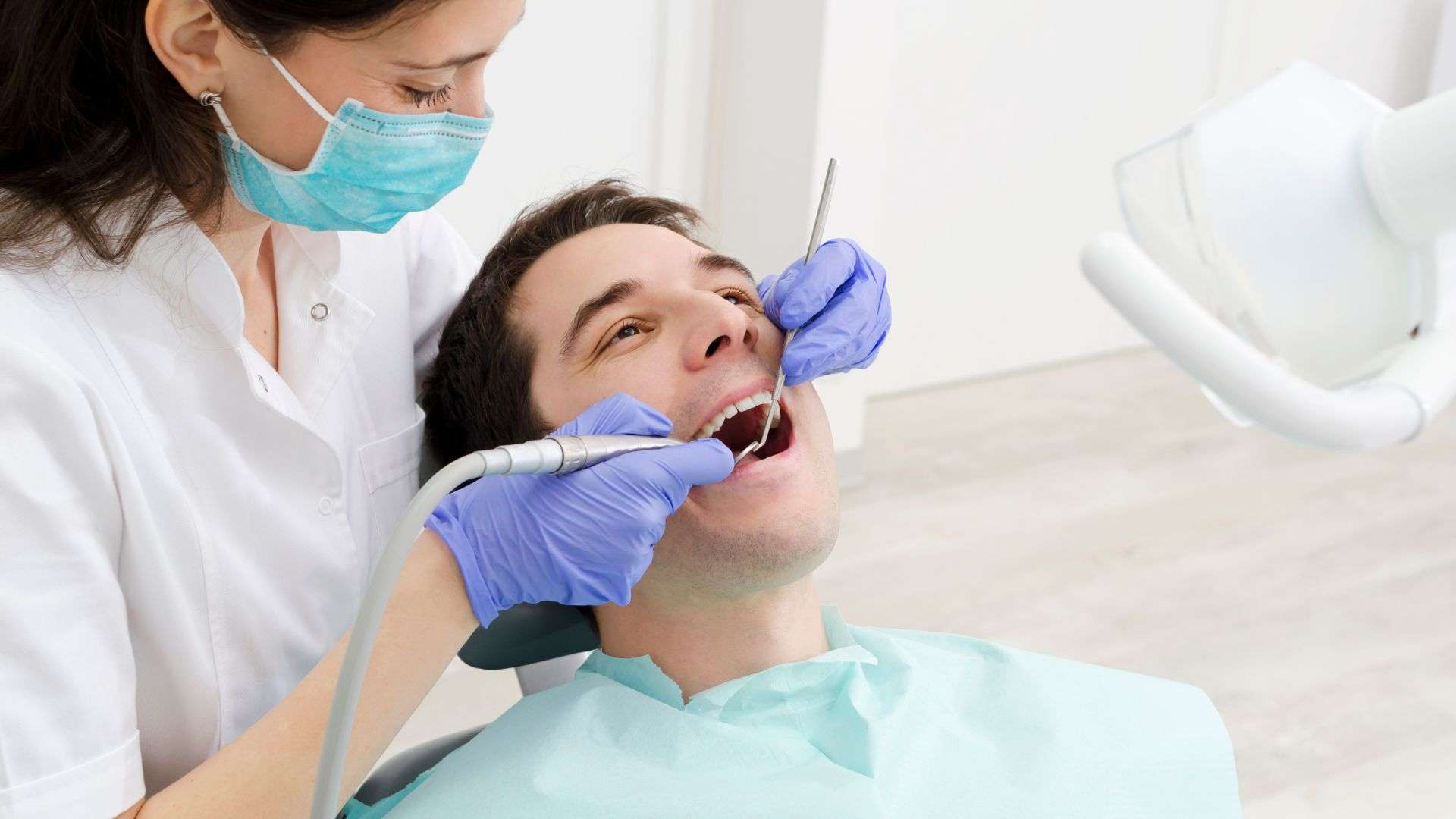
In daily life, some people may encounter the problem of sensitive teeth — which not only affects eating and quality of life, but may lead to a series of dental problems. Understanding the symptoms, hazards, causes and effective treatments of sensitive teeth is very important.
Symptoms and hazards
Sensitive teeth refer to a condition where a person feels tingling or discomfort when teeth are stimulated (hot or cold foods, sweets, or brushing). Common symptoms: tingling on the tooth surface, burning pain when teeth are cold or hot, tingling when eating hot or cold foods. Ignoring sensitive teeth long-term can damage enamel, increase risk of decay and periodontal disease, and even affect overall oral health.
Common causes and solutions
There are many reasons for sensitive teeth — enamel wear, gum recession, tooth surface cracks, and tooth allergies. For sensitivity from enamel wear, using fluoride toothpaste, adhering to correct brushing posture, and avoiding excessive force is effective. For sensitivity from gum recession, consider periodontal treatment and maintain oral hygiene. For cracks on the tooth surface, consider tooth repair to avoid irritants eroding the nerve.
Effective treatments
In addition to lifestyle changes and oral hygiene, professional treatments can help. Fluoride treatment enhances enamel hardness and reduces irritation. Dental specialists can provide treatments like sealants and veneers to alleviate symptoms. Seek medical attention in time and follow the doctor's advice to avoid worsening.
Although sensitive teeth are common, we can effectively prevent and treat them by correctly understanding symptoms, hazards, causes and treatments. Good oral hygiene habits, regular examinations and cleanings, and timely detection protect oral health.